Are you dealing with dark patches that seem to become more visible when you have been outdoors, stressed, or even after simple daily routines? For many people, these patches appear gradually and then begin to deepen, creating a sense of frustration and confusion. This unpredictable pattern is one of the most common signs of melasma pigmentation condition, a dermatological condition that often behaves differently from regular tanning or post-acne marks.
What makes melasma even more challenging is its sensitivity; it reacts to sunlight, heat, hormonal changes, and sometimes even skincare products you believed were safe. So if you’ve ever felt like your pigmentation improves one week and suddenly worsens the next, you are not imagining it. Melasma is a condition with triggers that work beneath the surface of the skin, often requiring medically guided treatment instead of basic home remedies.
With today’s advanced dermatology, melasma can be significantly controlled, lightened, and managed long-term. Dermatologists now use a combination of tailored skincare formulations, laser treatment for pigmentation, chemical peels, pigment regulators, and lifestyle modifications designed especially for Indian skin tones that are more prone to melasma and hyperpigmentation.
In this article, we will walk you through what is melasma pigmentation, why it is often stubborn, the real reasons behind its recurrence, and the most effective dermatologist-approved methods to reduce melasma pigmentation, including the latest laser advancements.
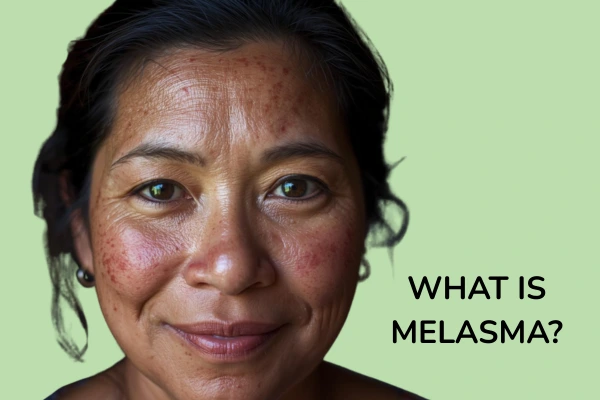
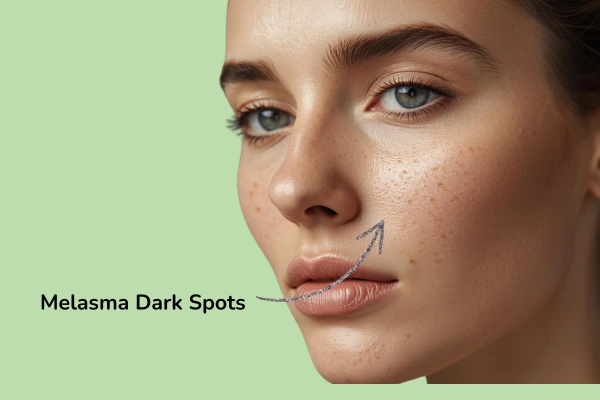
Melasma is a chronic pigmentary disorder where the skin produces excess melanin in specific areas, leading to brown or grey-brown patches on the face. Unlike common dark spots, melasma involves overactive melanocytes, the cells responsible for pigment production, making the condition more complex and more reactive to both internal and external triggers.
Dermatologists classify melasma into three types based on the depth of pigmentation:
Epidermal Melasma: Pigmentation is located in the upper layers of the skin (epidermis).
Appears: Light brown to noticeably dark brown pigmentation
Easier to treat with topical creams and mild procedures
Dermal Melasma: Pigment is deposited deeper in the dermis.
Appears: Ashy, bluish-brown
Needs advanced treatment such as lasers and pigment-targeting procedures
Mixed Melasma: The most common type of pigmentation.
Appears: Patchy brown with uneven borders
Requires a combination approach for best results
Melasma is often mistaken for general tanning or hyperpigmentation, but they are not the same. While tanning fades with time, melasma pigmentation on the face persists and returns easily, especially without proper medical guidance.
Why is melasma common in certain skin types?
The skin tone has:
More active melanocytes
Higher melanin response to heat, UV exposure, and inflammation
Greater sensitivity to irritants
This makes melasma and hyperpigmentation more prominent, deeper, and more persistent compared to lighter skin tones.
So, if your melasma seems stubborn, it isn’t your skincare routine; it’s your skin biology, and that is exactly why medically supervised treatment works significantly better.
What Causes Melasma Pigmentation?
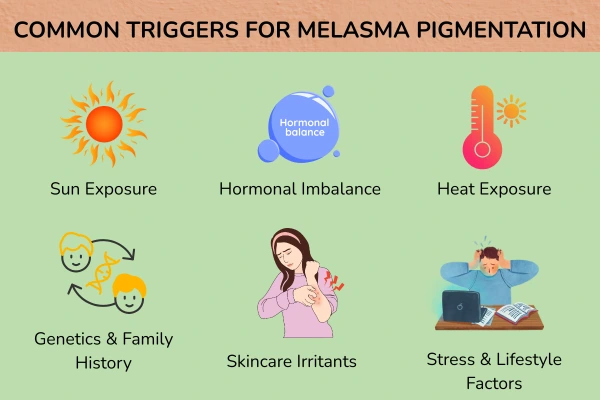
Melasma is not caused by a single factor; it is the result of multiple internal and external triggers stimulating excess melanin production. Understanding these triggers is the first step toward choosing the right melasma hyperpigmentation treatment and preventing frequent relapses.
Sun Exposure: Sunlight is the most common trigger for melasma pigmentation on the face. Both UV rays and visible light activate melanocytes, causing them to produce excessive pigmentation.
Hormonal Imbalance: Hormones, especially estrogen and progesterone, play a major role. This is why melasma is commonly seen in pregnant ladies. These fluctuations increase the sensitivity of melanocytes, making pigment cells more reactive.
Heat Exposure: Exposure to heat can trigger pigment production and worsen melasma. Many people notice their melasma getting darker even without direct sunlight.
Genetics and Family History: If parents or siblings have melasma, your chances of developing it are higher. Genetic predisposition influences pigment retention, skin’s reaction to light, and melanocyte activity.
Skincare Irritants: Products that cause even mild irritation or inflammation can worsen melasma. These include harsh exfoliants, strong fragrances, and bleaching creams.
Blue Light from Screens: High-energy light from phones and laptops can aggravate melasma, especially in darker skin tones. Although milder than sunlight, repeated exposure contributes to slow, persistent pigmentation.
Stress and Lifestyle Factors: Stress raises cortisol levels, which indirectly influences melanocytes. Lack of sleep, chronic fatigue, and dietary imbalances can make melasma more resistant to treatment.
Why Does Melasma Keep Coming Back?
One of the biggest concerns people face is recurrence; the patches return even after improvement. This happens because:
Melanocytes in melasma-prone skin are hyper-responsive.
Triggers like UV, heat, or hormones reactivate pigment production.
Deep dermal pigment takes longer to treat and resurfaces easily
Home remedies or over-the-counter creams cannot suppress deep pigment activity.
Without dermatologist-recommended treatment, melasma becomes hard to handle or can also worsen.
How to Reduce Melasma Pigmentation on the Face Effectively: Dermatologist-Approved Treatments
Treating melasma pigmentation on the face is not about using a single cream or depending on home remedies. Because melasma is influenced by deeper cellular activity, dermatologists focus on a multi-step protocol that targets pigment, regulates melanocytes, and prevents long-term recurrence.
Below is the most effective, dermatologist-approved melasma hyperpigmentation treatment solution to reduce melasma pigmentation and improve overall skin clarity.
Laser Treatment for Pigmentation (Most Effective for Stubborn Melasma)
Laser treatment for pigmentation has become one of the most reliable and safe options for managing melasma hyperpigmentation, especially when patches are deep or recurrent.
Dermatologists use low-fluence, pigment-selective lasers that break down excess melanin without overheating and damaging the skin, which is crucial for preventing flare-ups. This makes it ideal for sensitive and melasma-prone skin tones. Some of the advanced laser treatments offered by the Evenly Clinic to address melasma and hyperpigmentation are:
Ideal for: mixed melasma, dermal melasma, long-standing pigmentation, and melasma pigmentation on the face that has not improved with creams alone.
Chemical Peels for Melasma or Hyperpigmentation
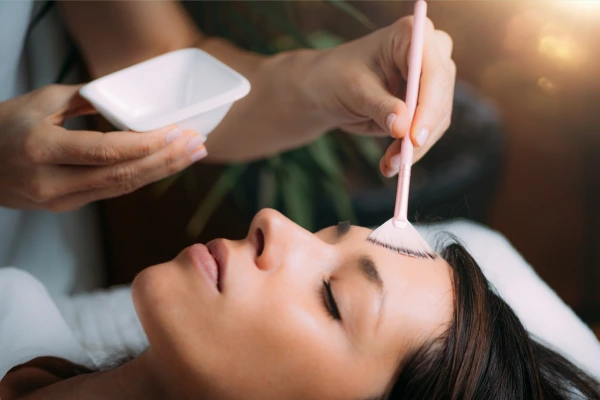
Superficial and medium-depth chemical peels help exfoliate pigmented layers and suppress melanin activity. Under dermatologist supervision, peels can significantly reduce melasma pigmentation on the face.
Common peels our dermatologists recommend include
Azelaic acid peels
Mandelic acid peels
Glycolic acid peels
Lactic acid peels
Demelan depigmentation peels
Benefits:
Lightens epidermal pigmentation
Improves uneven skin tone
Enhances the results of laser treatments for pigmentation
Safe and effective for Indian and sensitive skin types
Topical Melasma Pigmentation Creams
Dermatologists customize medical-grade topical formulations to control melanin production. These creams are essential for melasma hyperpigmentation treatment.
Most commonly prescribed ingredients include:
Tranexamic acid
Kojic acid
Arbutin
Retinoids
Vitamin C
Hydroquinone (short-term use)
These ingredients help reduce existing melasma pigmentation on the face and prevent future buildup.
Oral Medication for Resistant Melasma
For deeper or recurrent melasma pigmentation, dermatologists may recommend oral medications for a short duration. This helps reduce UV-triggered pigmentation and stabilize melanocyte activities.
It is not a standalone treatment; it works best when combined with topical care and laser treatment for pigmentation.
Sun Protection and Heat Management
Without strict sun and heat protection, melasma pigmentation can return quickly. To prevent recurrence:
Use SPF 50 broad-spectrum sunscreen.
Choose tinted sunscreen to block visible light
Reapply every two hours
Avoid hot showers and prolonged cooking near heat, and protect your skin from blue light coming from your screens.
Wear hats or scarves during peak sunlight
Consistent protection is the foundation of every melasma and hyperpigmentation treatment plan.
Best Clinical Treatment Combinations for Hyperpigmentation Melasma: Dark skin
Because melasma and hyperpigmentation behave differently in every person, dermatologists often combine treatments to achieve long-lasting improvement. Some of the most recommended combinations are
Laser and Chemical Peel Treatment: Helps treat both epidermal and dermal layers, offering faster results.
Laser and pigment regular typical medications: Ideal for persistent melasma pigmentation on the face and mixed melasma.
These combinations ensure lighter pigmentation on the face, melasma recurrence, and long-term stability.
Lifestyle Tips to Reduce Melasma and Hyperpigmentation on the Face Naturally?
Professional melasma hyperpigmentation treatments are essential, but supportive lifestyle changes help maintain results.
Use non-comedogenic, non-irritating skincare
Avoid harsh scrubs, lemon, or bleach creams.
Choose gel-based sunscreens
Manage stress and sleep cycles
Add antioxidant-rich foods like berries, citrus fruits, and leafy greens.
These habits help minimize melasma triggers and support melasma hyperpigmentation treatment.
When to See a Dermatologist?
You should consult a dermatologist if you notice:
Rapidly darkening patches
Pigmentation worsening after sun or heat exposure
No improvement despite using creams
Patchy brown or bluish pigmentation
Recurring melasma pigmentation after seasonal changes
Early diagnosis helps determine whether you have epidermal, dermal, or mixed melasma, ensuring targeted treatment.
If you are looking for scientifically proven and safe options to reduce melasma pigmentation, choosing the right dermatology clinic makes a significant difference. At Evenly Skin & Hair Clinic, Bangalore, melasma and hyperpigmentation treatments are customized based on your skin type, depth of pigmentation, and trigger profile.
Why Evenly Is Preferred for Melasma & Hyperpigmentation Treatment:
Dermatologists with handsome experience treating melasma without triggering rebound pigmentation.
Evenly uses US-FDA-approved Q-switched and fractional lasers that safely target melanin clusters while keeping the skin comfortable, essential for melasma-affected skin.
Custom Melasma Protocols
Focus on Recurrence Protection
Safe Treatments for sensitive melasma-prone skin
Melasma pigmentation is complex, sensitive, and deeply influenced by sunlight, heat, hormones, and genetics. While it may seem stubborn, modern dermatology offers highly effective ways to reduce melasma pigmentation and maintain long-term clarity. With the right blend of laser treatment for pigmentation, medical formulations, and lifestyle adjustments, melasma can be managed safely and consistently.
If you are struggling with melasma hyperpigmentation on the face, seeking professional guidance early can prevent deepening and recurrence. Clinics like Evenly Skin & Hair Clinic in Bangalore specialize in treating melasma with advanced dermatology protocols tailored for Indian skin.
BeforeAfter
Evenly Skin and Hair Clinic – HSR Layout
Third Floor, 815, 27th Main Rd, above Bluestone, 1st Sector, HSR Layout, Bengaluru, Karnataka 560102
Evenly Skin and Hair Clinic – Jayanagar
35, Ground Floor, Vinyas Arcade, 11th Main Rd, Vishya Bank Colony, 5th Block, Jayanagar, Bengaluru, Karnataka 560041
What is melasma pigmentation, and why does it happen?
Melasma pigmentation is a chronic skin condition where melanocytes produce excess melanin, leading to brown or grey facial patches.
Are melasma and hyperpigmentation the same thing?
No. Melasma is a type of hyperpigmentation, but there are many forms of hyperpigmentation that are not melasma. Melasma is deeper, more reactive, and more difficult to treat than regular pigmentation.
Can laser treatment for pigmentation completely cure melasma?
Lasers significantly lighten melasma pigmentation and improve recurrence control, but melasma cannot be cured permanently. It requires maintenance and proper trigger management.
Is melasma pigmentation on the face permanent?
Melasma may be persistent, but it responds well to consistent, medically guided treatment. With dermatologist-guided treatment, pigmentation can be lightened by 60-90% and maintained long-term.
Is melasma pigmentation caused by PCOS or thyroid issues?
Hormonal fluctuations from conditions like PCOS or thyroid imbalance can contribute to melasma and make pigmentation more challenging to manage.
Can sunscreen alone treat melasma pigmentation?
Sunscreen cannot treat melasma, but it is essential to prevent melasma from getting darker. It must be combined with clinical treatments for effective results.
We hope this information is helpful. If you have any skin and hair-related questions or would like to discuss personalized solutions, please reach out to us at 7337899030. Our team of specialists is committed to delivering personalized care tailored to your specific needs. Take the first step towards a healthier, more confident you by scheduling a consultation with us today. Your journey to vibrant skin and stronger hair begins here.
Post Views:1,549
Book an Appointment
Start your journey to healthy skin and hair today.








Leave a Comment