Are you noticing bald patches on your beard that were not there earlier? In metropolitan cities like Bangalore, where grooming, first impressions, and personal style matter, especially for working professionals and young men, sudden beard hair loss can feel alarming. For men who grow a beard regularly, even a small patch of missing hair can impact confidence. The beard plays a major role in defining facial appearance, confidence, and personal style. So when smooth, hairless patches appear unexpectedly, it naturally raises questions and concern. Many men are unaware that beard hair loss can be a medical condition rather than a grooming or lifestyle issue. One of the most common reasons behind patchy beard hair loss is alopecia barbae, a condition where the immune system interferes with normal hair growth in the beard area.
If you are searching for why these patches appear, whether beard hair can grow back, and how the dermatologists at the Evenly clinic treat them, this detailed guide will answer all your questions.
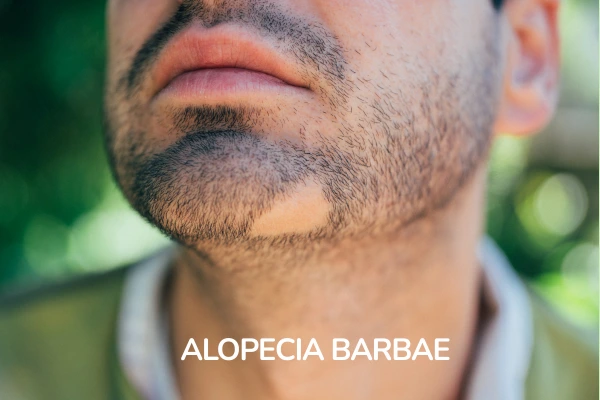
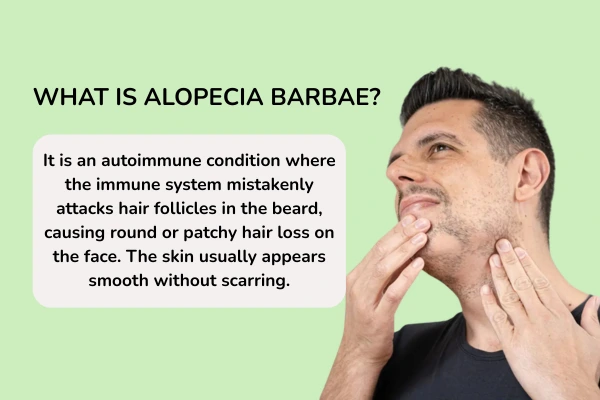
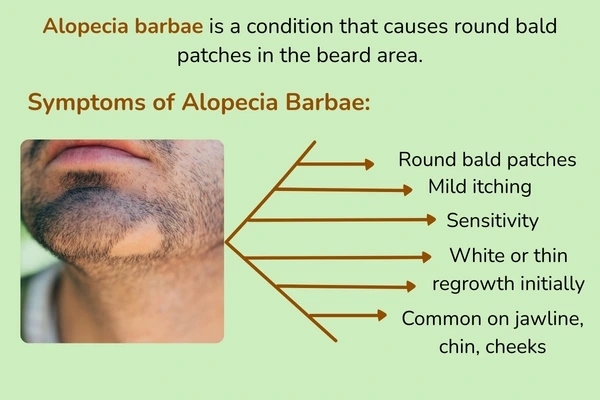
Alopecia barbae is a localized form of alopecia areata that specifically affects facial hair. It leads to the sudden appearance of smooth, round, or oval bald patches on the beard, most commonly on the cheeks, jawline, chin, or neck. Initially, these patches may be small, but over time, multiple patches can merge, making beard hair loss more noticeable.
Medically, alopecia barbae is an immune-mediated, non-scarring condition. This means the hair follicles are not destroyed permanently. Instead, they become inactive due to an abnormal immune response, which is why early consultation with a qualified dermatologist often results in successful regrowth.
Studies suggest that nearly 2% of men may experience alopecia areata or alopecia barbae at some point in their lifetime.
Why Do Bald Patches Appear on the Beard?
To understand how to treat bald patches on a beard, it’s essential to first understand why they occur. Alopecia barbae is rarely caused by a single factor. Instead, it is the result of multipleinternal triggers working together.
Immune System Dysfunction
The primary cause of alopecia barbae is immune dysregulation. Certain immune cells mistakenly attack healthy beard hair follicles, pushing them into a resting phase. As a result, hair sheds suddenly, creating patchy hair loss.
Genetic Predisposition
Men with a family history of alopecia areata, thyroid disorders, vitiligo, eczema, or other autoimmune diseases have a higher risk of developing alopecia barbae.
Psychological Stress and Lifestyle Factors
High work stress, irregular sleep cycles, and urban lifestyle pressure, which are commonly seen among Bangalore’s IT professionals and entrepreneurs, can trigger or worsen alopecia barbae. Stress hormones like cortisol can worsen immune imbalance, accelerating the development of bald patches on the beard.
Nutritional and hormonal imbalance
Low levels of vitamin D, iron deficiency, thyroid imbalance, and poor protein intake can negatively affect hair follicle health and delay alopecia barbae recovery.
Conditions That Can Also Cause Bald Patches on Beard
Not all beard hair loss is alopecia barbae. A proper diagnosis helps avoid incorrect treatment.
Fungal Infection (Tinea Barbae): Tinea barbae is a fungal infection that causes patchy hair loss along with redness, scaling, itching, or pus-filled lesions. Unlike alopecia barbae, the skin appears inflamed and irritated.
Traction Alopecia and Habit-Related Hair Loss: Excessive grooming, frequent trimming, beard pulling (trichotillomania), or aggressive styling can damage follicles, leading to patchy beard hair loss.
Scarring Alopecia and Autoimmune Skin Disorders: Conditions such as discoid lupus erythematosus can cause permanent destruction of hair follicles, resulting in scarring and irreversible hair loss. This differs significantly from alopecia barbae, which is non-scarring.
How Is Alopecia Barbae Diagnosed?
A dermatologist can usually diagnose alopecia barbae through:
Detailed medical history and symptom assessment
Clinical examination of bald patches on beard
Dermoscopy (trichoscopy) to examine hair follicle activity
Blood tests to identify nutritional deficiencies or autoimmune associations
A skin biopsy is rarely required unless scarring alopecia is suspected.
Alopecia Barbae Treatment Options Recommended by Evenly Dermatologists in Bangalore
At Evenly Skin and Hair Clinic, alopecia barbae treatment is personalized based on patch size, duration, progression, and underlying triggers.
Topical Corticosteroids: Steroids are the first-line treatment to suppress immune activity. They may be applied topically or administered as intralesional injections directly into bald patches on the beard. They help restart hair growth within weeks.
Minoxidil Therapy: Topical minoxidil supports hair follicle stimulation and is often used alongside medical treatment to enhance alopecia barbae regrowth.
Nutritional and Hormonal Correction: Correcting deficiencies of iron, zinc, vitamin D, and biotin plays an important role in long-term alopecia barbae recovery.
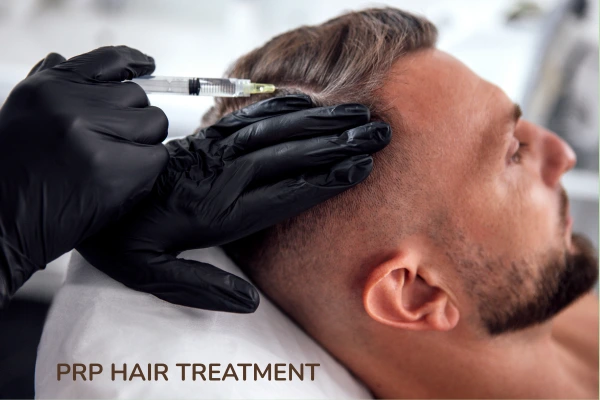
PRP Hair Treatment:PRP therapy uses growth factors from the patient’s own blood to stimulate dormant follicles. This advanced treatment is widely chosen by patients in Bangalore seeking non-surgical, evidence-based beard hair regrowth.
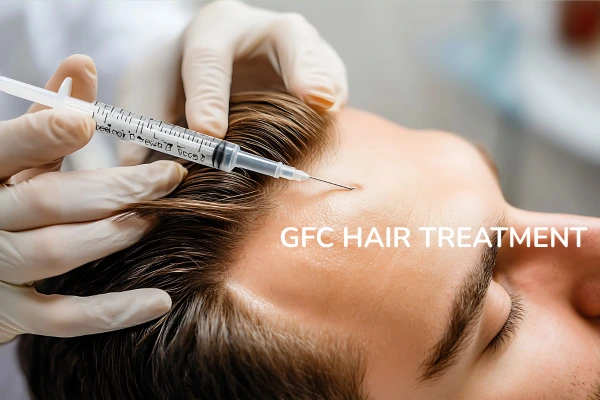
GFC Treatment:Growth Factor Concentrate (GFC) therapy is an advanced hair restoration treatment derived from the patient’s own blood, similar to PRP but more refined and concentrated. It contains highly purified growth factors that directly target weakened or dormant hair follicles, stimulating stronger and healthier beard hair growth. GFC treatment is increasingly preferred in Bangalore for its precision, reduced inflammation, and enhanced results in non-surgical beard hair regrowth.
How to Treat Bald Patches on Beard Holistically
Medical treatment works best when supported by lifestyle modifications:
Manage stress through relaxation techniques
Maintain a protein-rich, anti-inflammatory diet
Avoid excessive grooming or beard pulling.
Quit smoking and reduce alcohol intake.
These measures help stabilize immune response, support alopecia barbae recovery, and reduce recurrence risk.
Alopecia Barbae Regrowth: What to Expect
One of the most common concerns is whether beard hair will grow back.
Initial regrowth often appears as thin, white, or light-colored hair.
Visible improvement may be seen within 8–16 weeks.
Complete regrowth can take several months depending on severity.
Early diagnosis and treatment at a specialized dermatology clinic in Bangalore, like Evenly, significantly improve regrowth outcomes.
Can Alopecia Barbae Come Back?
Yes, it can recur, especially if triggers are not addressed. However, recurrence does not mean treatment failure. With prompt intervention, regrowth can be achieved again.
Why Medical Guidance Matters in Alopecia Barbae
Self-treatment, home remedies, and internet advice often delay proper care. Since alopecia barbae is immune-mediated, professional dermatological supervision ensures safe, targeted, and effective treatment.
It can feel alarming, but it is a manageable and often reversible condition. With accurate diagnosis, personalized alopecia barbae treatment, and lifestyle support, most patients experience excellent recovery and sustained beard regrowth.
If you are in Bangalore and struggling with bald patches on your beard, early consultation with experienced dermatologists can make a significant difference.
At Evenly Clinic, Bangalore, alopecia barbae is treated using evidence-based dermatology, advanced regenerative treatments, and personalized care tailored to your lifestyle and needs.
Evenly Skin and Hair Clinic – HSR Layout
Third Floor, 815, 27th Main Rd, above Bluestone, 1st Sector, HSR Layout, Bengaluru, Karnataka 560102
Evenly Skin and Hair Clinic – Jayanagar
35, Ground Floor, Vinyas Arcade, 11th Main Rd, Vishya Bank Colony, 5th Block, Jayanagar, Bengaluru, Karnataka 560041
Bald patches on the beard are most commonly caused by alopecia barbae, an autoimmune condition where the immune system temporarily attacks beard hair follicles. Other causes include fungal infections, excessive grooming, nutritional deficiencies, and stress-related hair loss.
Is alopecia barbae common in men?
Yes. Alopecia barbae can affect men of any age and is increasingly seen among young adults. Urban lifestyle factors such as work stress, sleep irregularities, and nutritional imbalances, common in cities like Bangalore, can act as triggers.
Can beard hair grow back after alopecia barbae?
Yes. Alopecia barbae is a non-scarring condition, which means hair follicles are not permanently damaged. With the advanced dermatology treatments, you can get complete beard hair regrowth.
How long does beard hair usually take to return?
Initial regrowth may be seen within 8–16 weeks after starting treatment. Complete regrowth can take several months depending on the size of the patch, duration of hair loss, and individual response to treatment.
Is alopecia barbae permanent?
No. Alopecia barbae is not permanent in most cases. However, it can recur if immune triggers such as stress, hormonal imbalance, or nutritional deficiencies are not addressed.
Does PRP treatment help in beard hair regrowth?
Yes. PRP (Platelet-Rich Plasma) therapy can stimulate dormant hair follicles and improve regrowth when combined with medical treatment. It is a popular non-surgical option among patients in Bangalore.
We hope this information is helpful. If you have any skin and hair-related questions or would like to discuss personalized solutions, please reach out to us at 7337899030. Our team of specialists is committed to delivering personalized care tailored to your specific needs. Take the first step towards a healthier, more confident you by scheduling a consultation with us today. Your journey to vibrant skin and stronger hair begins here.
Post Views:121
Book an Appointment
Start your journey to healthy skin and hair today.







Leave a Comment