We all dream of having glowing, even-toned skin, but when pigmentation shows up, it often feels like your natural radiance has been put on pause. Whether it begins as a mark left behind by acne, years of sun exposure, or a shift in hormones, those persistent dark patches can slowly affect not just your complexion but your confidence too. Here’s the best part: pigmentation is treatable. With an accurate diagnosis, targeted procedures, and a well-structured skincare plan, hyperpigmentation can be significantly reduced—and in many cases, completely cleared. In this detailed guide, we explain the causes, types, and best treatment for pigmentation on face, helping you make informed and confident choices for your skin.
Understanding Pigmentation: Why Your Skin Produces Excess Melanin
Before discussing the best pigmentation treatment, it’s important to understand why pigmentation happens. Pigmentation is the skin’s natural defense mechanism. When the skin senses injury or imbalance, it signals melanocytes (melanin-producing cells) to produce more pigment. However, when melanin increases unevenly, you begin noticing:
Brown patches
Dark spots
Shadowy areas
Post-inflammatory marks after acne
Hormonal melasma
Sun-induced discoloration
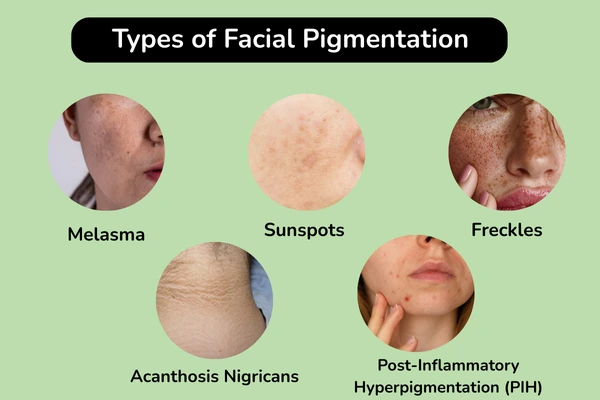
Dermatologically, this is called hyperpigmentation, and choosing the best treatment for hyperpigmentation on the face depends entirely on the type of hyperpigmentation you have.
Deep pigmentation around the neck, underarms, and body folds. Commonly linked to insulin resistance or obesity.
Understanding your pigmentation category is the first step towards choosing the best treatment for facial pigmentation.
Can Pigmentation Be Cured Permanently?
Yes, it can be treated — but only if certain factors are managed.
Pigmentation on the face can be treated completely, but preventing recurrence requires consistent maintenance.
Why? Because pigmentation can reappear if melanocytes get triggered due to sun exposure, hormones, inflammation, or incorrect skin care.
What is the Best Treatment for Pigmentation on Face?
Below are the best treatment options for pigmentation on the face based on depth, severity, and skin type.
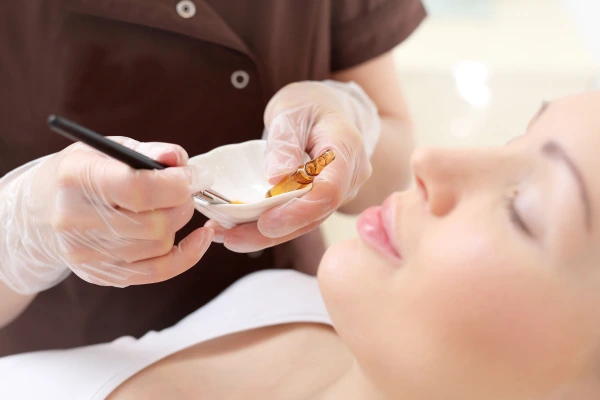
Medical-grade chemical peels
If you want your pigmentation to lighten more quickly, chemical peels are one of the best treatment options, offering visible results in a few sessions.
How they work:
Peels exfoliate the top pigmented layers and regulate melanin production.
Peels used at Evenly Clinic:
Glycolic Peel
Lactic Peel
Salicylic Peel
TCA Peel
Demelan (ideal for stubborn melasma)
Ideal For:
PIH, mild melasma, tanning, dullness.
Results:
Visible brightening from session 1, with deeper correction over 4–6 sessions.
Laser Pigmentation Reduction
Laser therapy is often the best hyperpigmentation treatment when other options fail.
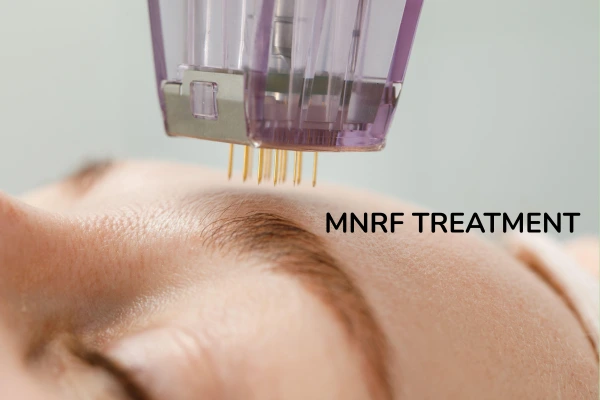
MNRF works exceptionally well when pigmentation sits deeper in the dermis.
How it works:
Creates micro-channels
Boosts collagen
Reduces dark spots
Enhances absorption of brightening serums
Best For:
Post-acne pigmentation, uneven texture, and dullness.
Prescription Topicals
Dermatologists often combine procedures with evidence-based topical agents.
Commonly prescribed actives are like azelaic acid, kojic acid, arbutin, retinoids, vitamin C, hydroquinone, and many others.
These help maintain long-term, stable results.
Oral Medications
For severe melasma or deep pigmentation, oral medications may be prescribed to reduce melanin activity internally.
How Do Dermatologists Choose the Best Treatment for Hyperpigmentation on Face?
At Evenly Skin and Hair Clinic, the treatment plan depends on
How deep the pigmentation lies (epidermal or dermal)
What’s triggering it, hormones, heat, or inflammation
Your skin type, especially if it’s melanin-rich
Overall skin sensitivity
Your treatment budget and expected results
A dermatologist typically performs:
Detailed evaluation of past health records
Hormonal assessment (if needed)
Based on this, a personalized pigmentation treatment protocol is created.
Dermatologist-Approved At-Home Care to Enhance Results
Daily habits determine whether pigmentation fades or returns.
Essential rules:
Wear sunscreen every day, even indoors and in winters.
Keep away from scrubs that can damage or irritate your skin.
Stop using random brightening creams (most cause rebound pigmentation).
Make sure your Vitamin C serum is stable and well-formulated.
Add Niacinamide to support the skin barrier repair
Protect skin from heat (melasma worsens with heat).
How Long Does Pigmentation Treatment Take?
Mild pigmentation: 3–6 weeks
Moderate pigmentation: 6–12 weeks
Deep melasma: 3–6 months with maintenance
Consistency is key.
Why Does Your Pigmentation Keep Coming Back?
Many patients say their pigmentation returns after improving. Here’s why:
Using non-prescribed steroid creams
Irregular sunscreen usage
High heat exposure
Hormonal ups and downs
Inflammation that isn’t addressed
Skipping maintenance treatments
Using an unsuitable skincare routine
Pigmentation requires treatment and maintenance.
The Best Treatment for Facial Pigmentation – Final Dermatologist Recommendation
Here’s a quick guide to the best treatment for pigmentation on the face based on your condition:
Condition
Best Option
PIH (Acne Marks)
Chemical Peels + Microneedling
Melasma
Q-Switch Laser + Chemical Peel
Sunspots
Q-Switch Laser / Pico Laser
Deep Stubborn Pigmentation
Q-Switch Laser + Depigmentation Peel
Sensitive Skin
Gentle Peels + Topicals
Combination treatments always deliver the best pigmentation treatment and longest-lasting results.
Cost of Pigmentation Treatment in Bangalore
Most clinics in Bangalore charge:
Chemical Peels: Rs.1500 to Rs.15000 per session
Q-Switched Laser: Rs.2500 to Rs.12000 per session
MNRF: Rs.5000 to Rs.15000 per session
Pricing varies based on severity and number of sessions needed.
Note: These are NOT Evenly Clinic’s actual prices. For accurate costing, book an appointment.
When Should You See a Dermatologist Immediately?
Pigmentation spreading rapidly
Dark patches after using a cream
Pigmentation after pregnancy
Acne leaving deep marks
Sudden unexplained discoloration
Early treatment prevents deeper discoloration.
If you’re searching for the best treatment for pigmentation on the face in Bangalore, Evenly Skin & Hair Clinic is widely trusted for:
US-FDA-approved Q-switch lasers
Dermatologist-led pigmentation protocols
Customized melasma treatments
Affordable, results-driven pigmentation care
High patient satisfaction
Pigmentation may look stubborn, but with the right diagnosis and advanced dermatology treatments, it is 100% treatable and manageable long-term.
The real key is choosing the best treatment for pigmentation on the face based on your skin type and pigmentation depth, not based on trending products or random recommendations.
At Evenly Clinic, we treat every pigmentation case with precision, science, and a personalized approach, so your skin becomes brighter, healthier, and more confident-looking with every session.
If you are done trying home remedies and want dermatologist-level results, it’s time to take the next step.
Which treatment works best for pigmentation on the face?
The best treatment for pigmentation on the face depends on the type: melasma, PIH, sunspots, or freckles. Dermatologists usually recommend chemical peels, Q-switch lasers, microneedling with RF, or prescription brightening creams.
Can pigmentation be cured permanently?
Yes, pigmentation can be significantly reduced or completely cleared, but maintenance is essential. Even after the best pigmentation treatment, factors like sun exposure, hormones, or inflammation can trigger recurrence. Consistent sunscreen, gentle skincare, and follow-up sessions help maintain results.
Which treatment is best for dark spots caused by acne?
Dark spots from acne, also called PIH, respond well to chemical peels, microneedling, Q-Switch laser, and topical actives like azelaic acid and retinoids. Dermatologists often combine these for the best hyperpigmentation treatment results, especially for post-acne marks.
Is laser treatment safe for pigmentation?
Yes. Q-Switch and Fractional CO2 lasers are US-FDA-approved and safe for Indian skin when performed by trained dermatologists. These lasers target melanin precisely, making them one of the best treatments for facial pigmentation, especially for stubborn or deep discoloration.
Is pigmentation the same as tanning?
No. Tanning is temporary and caused by UV exposure, while pigmentation is a deeper, uneven melanin response. If tanning turns into persistent dark patches, it may require professional treatment such as chemical peels or Q-Switch laser toning.
We hope this information is helpful. If you have any skin and hair-related questions or would like to discuss personalized solutions, please reach out to us at 7337899030. Our team of specialists is committed to delivering personalized care tailored to your specific needs. Take the first step towards a healthier, more confident you by scheduling a consultation with us today. Your journey to vibrant skin and stronger hair begins here.
Post Views:2,160
Book an Appointment
Start your journey to healthy skin and hair today.







Leave a Comment