If you are reading this blog, you are probably tired of seeing stubborn pigmentation on your skin every time you look into the mirror. Maybe it appeared suddenly after a vacation, or perhaps it slowly increased over the years without you realizing it. And when the skin tone starts to look patchy, uneven, or dull, it affects more than your appearance; it affects your confidence too. Pigmentation is not just a cosmetic concern; it is a complex dermatological condition influenced by multiple internal and external factors. And unless you address it correctly, you can’t achieve long-lasting results. This blog will help you understand how to remove pigmentation on skin and how to get rid of uneven skin tone. But each case is unique, and that’s why a generic “one-size-fits-all” remedy never works.
H2: What is pigmentation on skin?
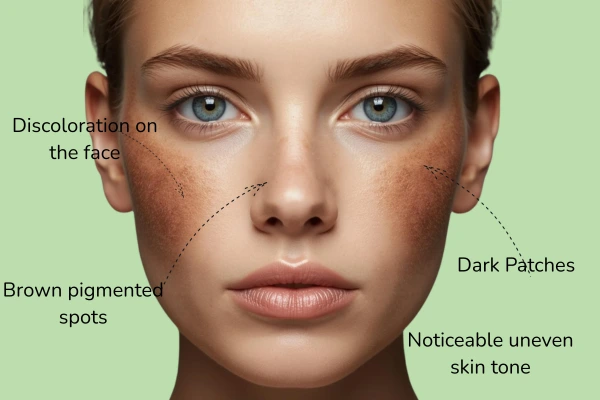
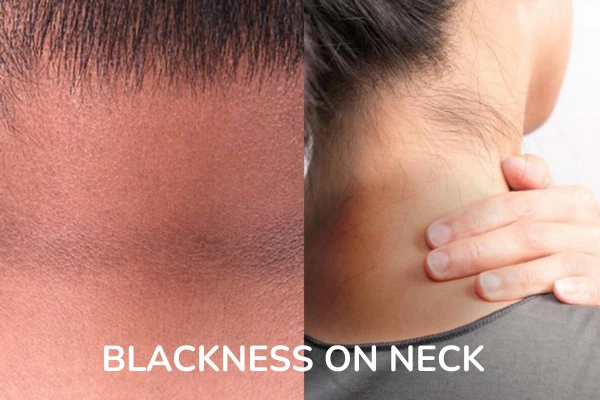
When we talk about pigmentation on skin, we are referring to excess melanin, the natural pigment that gives your skin its color. When melanin starts producing irregularly, it results in:
Dark patches
Brown pigmented spots
A dull, patchy appearance
Noticeable uneven skin tone
Discoloration on the face or body
And because pigmentation can occur deep within the dermal layer, many home remedies fail to work.
Why?
Because pigmentation isn’t just “dark skin on top; it is a biochemical response triggered by melanocyte overstimulation.
What Causes Uneven Skin Tone or Pigmentation on the Face/Body?
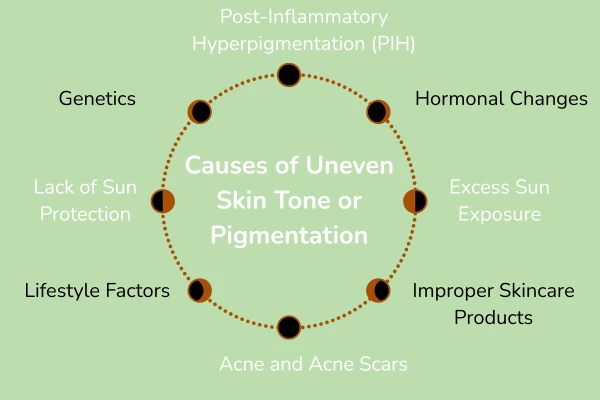
Most people think that sunlight alone causes pigmentation on the face or body. But dermatologists assess multiple layers of causes, as your treatment depends entirely on the trigger.
UV exposure: Continuous UV exposure overstimulates melanocytes, leading to sunspots, freckles, stubborn tanning, and persistent uneven skin tone. Even five minutes of unprotected sunlight can worsen pigmentation.
Hormonal Changes (Melasma):Melasma develops due to pregnancy, contraceptive pills, thyroid disorders, and hormonal fluctuations. This type of pigmentation is deeper and chronic, requiring structured medical-grade pigmentation on face treatment.
Post-Inflammatory Hyperpigmentation (PIH): This occurs after pimples, rashes, burns, allergic reactions, or incorrectly performed treatments. PIH often becomes darker over time if left untreated.
Genetics & Skin Type: Darker skin types have more active melanocytes, increasing the risk of pigmentation. Treatment plans vary based on skin type and sensitivity.
Lifestyle Triggers: Lack of sleep, high stress, pollution, poor diet, and incorrect skincare practices worsen uneven skin tone and make pigmentation harder to treat.
Symptoms You Should Never Ignore
Many people mistake pigmentation for tanning; watch out for:
Persistent brown, grey, or black patches
Irregular borders
Slow but consistent spreading
Patches on forehead, cheeks, upper lip
Dark marks remaining after acne heals
If you notice these signs, it’s time to consider pigmentation on face treatment options with a dermatologist.
Why Doesn’t Pigmentation on Skin Go Away Easily?
Patients often ask:
“Why am I not able to get rid of pigmentation even after using so many creams?”
The reason is simple:
Pigmentation originates deep in the skin, but home remedies and basic creams work only on the surface.
Additionally, the melanocytes keep producing pigment even if the surface layer is treated. If the trigger persists, pigmentation returns quickly. And the wrong creams can worsen discoloration. That’s why proper diagnosis and medical-grade pigmentation removal are essential.
How to Remove Pigmentation on Skin: Step-by-Step Dermatologist Plan
Step 1: Identify the Type of Pigmentation
Each type of pigmentation requires a different treatment strategy:
Melasma needs controlled, long-term management.
PIH responds faster to lasers
Sun-induced patches improve with customized solutions.
Deep dermal pigmentation requires advanced therapy.
A dermatologist will examine the pigment depth during consultation.
Step 2: Start a Medical-Grade Skincare Routine
Your daily routine plays a major role:
1. Vitamin C (Morning)
Boosts radiance, reduces mild pigmentation, and evens tone.
2. Niacinamide
Reduces melanin transfer, strengthens the barrier, and improves tone.
3. Retinoids (Night)
Accelerate cell turnover and help lighten pigmentation.
4. Sunscreen
The most essential step. Without sunscreen, no pigmentation removal will work.
Step 3: Choose the Right Clinical Treatments
Now let’s discuss the most effective dermatologist-approved pigmentation removal treatments.
Top Clinical Treatments for Pigmentation Removal
1. Pigmentation Laser Treatment (Most Effective for Fast Results)
Laser treatment with a Q-switched ND:YAG laser targets and breaks down pigment without harming surrounding skin.
Benefits
Works on deep pigmentation
Quick sessions
Minimal downtime
Long-lasting results
Best for: Sunspots, PIH, deep dermal pigmentation, and uneven skin tone
This is one of the most sought-after pigmentation laser treatments at Evenly Clinic.
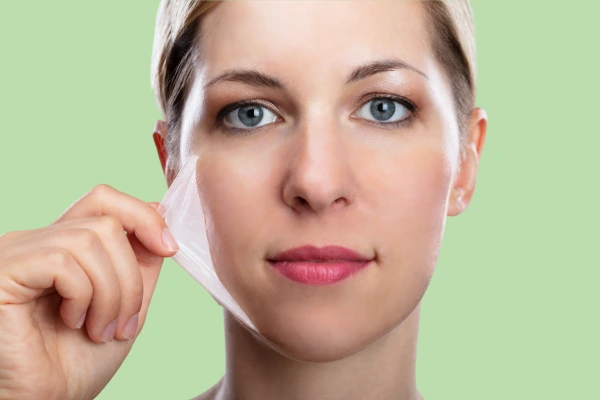
H3: Chemical Peel for Pigmentation on Face
Medical chemical peels help exfoliate the top layers of pigmentation.
Types we have: Glycolic, Mandelic, Lactic, TCA, Retinol, Salicylic Acid, and Glycolic Acid
Glutathione helps reduce oxidative stress and improves overall skin brightening when used alongside other pigmentation treatments.
Topical Treatments
Dermatologist-prescribed formulations include kojic acid, azelaic acid, arbutin, and hyaluronic acid to complement in-clinic procedures.
Lifestyle Corrections That Help Get Rid of Pigmentation on Skin
Sun Control
Avoid peak sunlight hours
Reapply sunscreen every 2–3 hours.
Use hats or umbrellas outdoors
2. Diet for Pigmentation on Skin
Antioxidant-rich foods help reduce oxidative stress:
Berries
Green leafy vegetables
Nuts
Vitamin C–rich fruits
3. Stress Management
High cortisol levels worsen pigmentation and uneven skin tone.
4. Avoid Random Creams
Steroid-based OTC creams worsen uneven skin tone.
How Soon Can You Expect to See Visible Results?
With proper pigmentation on face treatment, clients typically notice improvement in:
3–4 weeks for mild pigmentation
6–12 weeks for melasma
4–6 sessions for laser results
Consistency matters more than speed.
When to See a Dermatologist Immediately
Seek medical care if:
Pigmentation spreads rapidly
Patches become very dark suddenly.
OTC products irritate your skin.
Uneven skin tone becomes very stubborn.
You’re unsure what type of pigmentation you have.
Remember, incorrect treatment often worsens pigmentation dramatically.
Why Is Evenly Clinic Trusted for Pigmentation Removal?
At Evenly Skin & Hair Clinic, we follow a customized pigmentation protocol, not generic templates.
Our dermatologists combine:
Expert consultation
Accurate dermatological diagnosis
Advanced pigmentation removal treatments, including laser treatment
USFDA-certified equipment for maximum safety
Prescription-strength skincare formulations
Scheduled follow-ups to monitor progress effectively
Because no two skins are the same, every patient receives a personalized treatment plan.
Our goal is not just pigmentation removal; it is helping you achieve clear, even, healthy, glowing skin with long-term results.
Pigmentation on skin may feel stubborn, but with accurate diagnosis, professional care, and advanced technology, achieving an even skin tone is absolutely possible.
Whether your concern is mild, moderate, or severe, the first step is understanding that pigmentation is treatable, manageable, and reversible in most cases.
If you are ready to transform your skin and want safe, scientifically backed, proven pigmentation solutions, Evenly Clinic is here to guide you every step of the way.
Evenly Skin and Hair Clinic – HSR Layout
Third Floor, 815, 27th Main Rd, above Bluestone, 1st Sector, HSR Layout, Bengaluru, Karnataka 560102
Evenly Skin and Hair Clinic – Jayanagar
35, Ground Floor, Vinyas Arcade, 11th Main Rd, Vishya Bank Colony, 5th Block, Jayanagar, Bengaluru, Karnataka 560041
Pigmentation on skin occurs when melanocytes (your pigment-producing cells) create excess melanin. This can happen due to sun exposure, hormonal changes, acne marks (PIH), inflammation, genetics, and lifestyle triggers like stress or lack of sleep.
Does pigmentation laser treatment really work?
Yes. Pigmentation laser treatment is one of the most effective options because it breaks down excess pigment at deeper layers that creams cannot reach. It works especially well for sunspots, acne marks, tanning patches, and stubborn uneven skin tone.
How long does it take to see improvement in uneven skin tone?
Most people notice visible improvement in 3–4 weeks with a proper uneven skin tone treatment plan. However, melasma, or deep pigmentation, may take 8–12 weeks or more.
Are topical creams enough to remove pigmentation on the face?
Topicals like Vitamin C, Kojic Acid, Niacinamide, Retinoids, and Azelaic Acid are excellent first-line treatments. However treatment for deeper pigmentation on face, especially melasma, PIH, or long-standing patches, laser treatment, chemical peels, or oral medications may be required for best results.
Is glutathione effective for pigmentation removal?
Glutathione helps reduce oxidative stress and influences melanin production. While it can support pigmentation removal and overall brightening, it works best as part of a combined treatment plan, not as a standalone cure.
Is pigmentation on skin dangerous?
Most pigmentation is harmless and cosmetic. However, sudden dark patches, rapidly spreading spots, or discoloration with irregular borders should be examined by a dermatologist to rule out medical conditions.
Can uneven skin tone be corrected quickly?
Mild uneven skin tone can improve within 2–3 weeks with the right topical routine and sun protection. Deeper pigmentation takes longer and may need professional treatments.
Is pigmentation on face treatment painful?
Most pigmentation treatments, like lasers and peels, cause only mild discomfort.
We hope this information is helpful. If you have any skin and hair-related questions or would like to discuss personalized solutions, please reach out to us at 7337899030. Our team of specialists is committed to delivering personalized care tailored to your specific needs. Take the first step towards a healthier, more confident you by scheduling a consultation with us today. Your journey to vibrant skin and stronger hair begins here.
Post Views:1,210
Book an Appointment
Start your journey to healthy skin and hair today.







Leave a Comment
1 comment
How to Remove Skin Tan on Face: Best Skin Tan Removal Therapy
September 20, 2026[…] tan is accompanied by pigmentation or acne […]