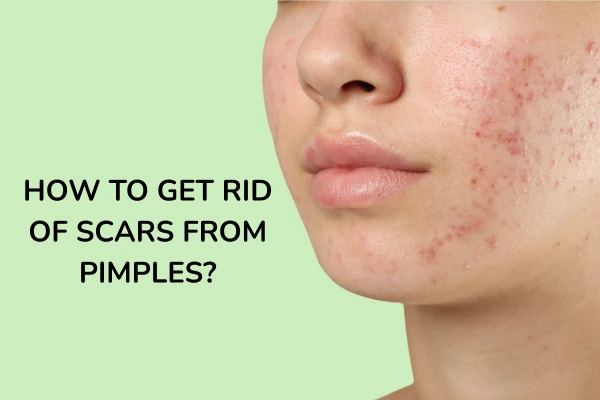
Struggling with marks left behind after acne clears up? While active acne itself can be frustrating, the scars it leaves on your skin often affect confidence long after breakouts stop. The reassuring part is that acne scars are not permanent. With the right dermatological approach and consistent care, their appearance can be significantly improved. Before choosing a treatment, it’s important to understand what acne scars actually are and why they form. This article explains the different types of acne scars, how to get rid of scars from pimples and the most effective treatment solutions.
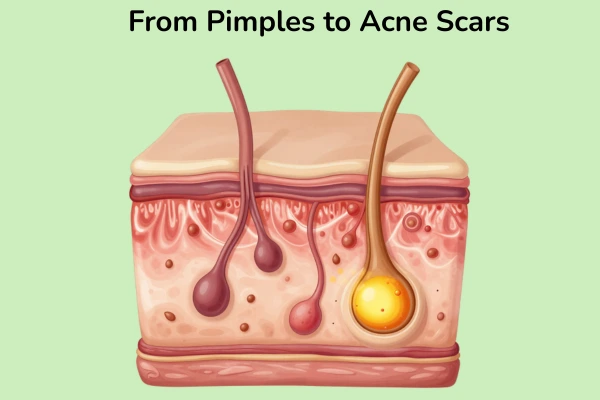
Acne scars form when active acne lesions damage the deeper layers of the skin. Normally, when skin is injured, the body produces collagen to repair it. However, in acne-prone skin, this healing response can become imbalanced.
If too little collagen is produced, the skin sinks inward, forming depressed scars.
When collagen production becomes excessive, raised scars can form.
Unlike temporary acne marks, scars reflect permanent structural changes in the skin. This is why topical creams alone often fail to deliver complete results, and targeted acne scars treatment becomes necessary.
Why Do Some Pimples Leave Scars While Others Don’t?
Not every pimple turns into a scar. Scarring depends on how deeply inflammation penetrates the skin and how your body responds to healing. The most common reasons scars form include:
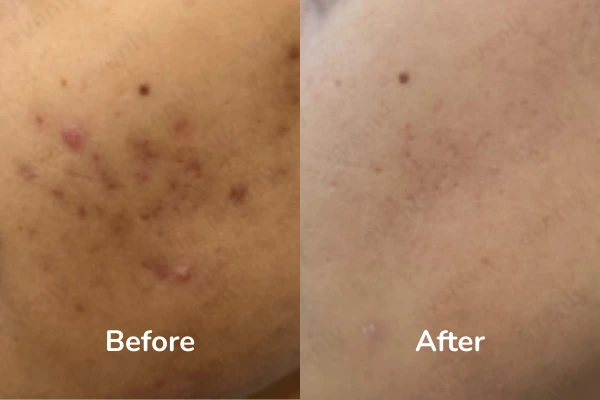
Flat red, brown, or dark spots left after acne heals. Although not true scars, they are often mistaken for scars and are a major concern for pimple marks removal.
How to Get Rid of Scars from Pimples: A Dermatologist’s Approach
If you are in search of how to get rid or remove the scars from pimples, follow this structured approach suggested by dermatologists:
Control active acne
Identify the scar type
Choose evidence-based treatment
Let us now explore the most effective acne scars treatment options available today.
Medical Treatments for Acne Scars That Actually Work
Laser Treatment for Acne Scars
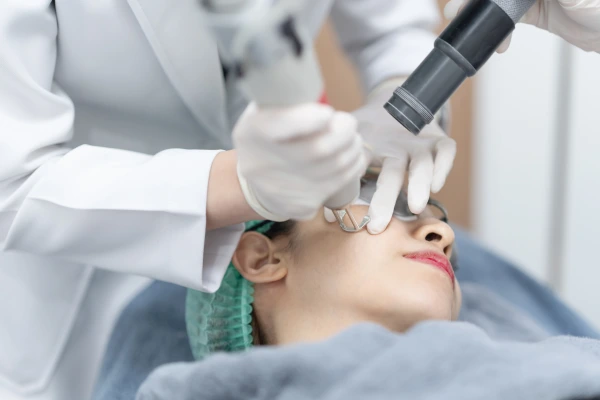
Laser treatment is one of the most advanced options for how to get rid of pimple scars. It works by stimulating collagen remodelling in the deeper layers of the skin.
Fractional CO2 Laser: Highly effective for deep acne scars
Erbium Laser: Suitable for mild to moderate scars with less downtime
Laser treatment improves skin texture, reduces depth of scars, and enhances overall skin quality.
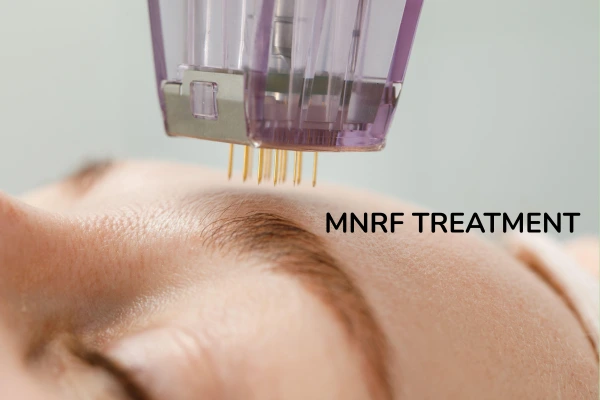
Microneedling with Radiofrequency
Microneedling creates controlled micro-injuries that trigger collagen production. When combined with radiofrequency energy, it becomes even more effective for rolling and boxcar scars.
Often, the best treatment for acne scars involves a combination of these procedures, customized according to individual skin needs.
How to Remove Acne Scars Naturally: Do Home Remedies Really Work?
Many people search for home remedies for acne scars hoping for overnight results. But home remedies cannot treat deep scars, they can support skin healing and improve pigmentation.
Popular and Helpful Home Remedies for Acne Scars
Aloe Vera: Supports skin repair and reduces inflammation
Vitamin C: Improves pigmentation and collagen formation
Niacinamide: Reduces redness and strengthens skin barrier
Azelaic Acid: Helps with pigmentation and mild scarring
Licorice Extract: Helps lighten dark pimple marks
The phrase home remedies for acne scars overnight is misleading. No remedy can erase scars overnight. Consistent use over weeks or months may improve pimple marks but not deep acne scars.
Dermatologists recommend using home remedies only as supportive care, not as a replacement for professional acne scars treatment.
Daily Skincare Routine and Habits to Prevent and Improve Acne Scars
A consistent skincare routine plays a vital role in preventing new scars and enhancing treatment results.
Gentle cleanser twice daily
Use non-comedogenic moisturizer
Apply broad-spectrum sunscreen (SPF 30 or higher) to prevent darkening of scars
Treat active acne early
Avoid picking or popping pimples
Use retinoids to boost cell turnover
Maintain proper hydration and nutrition
Sun protection is especially critical because UV exposure worsens pigmentation and delays scar healing.
Acne Marks vs Acne Scars: Clearing the Confusion
Acne Marks: Flat red or brown discoloration that fades with time
Acne Scars: Permanent indentations or raised areas caused by structural skin damage
While marks may fade within months, scars usually require medical help.
How Long Do Acne Scars Take to Improve?
Acne marks may fade in 3–6 months
Depressed scars improve gradually over multiple treatment sessions
Results depend on scar type, skin response, and treatment consistency
When Is the Right Time to Consult a Dermatologist for Acne Scars?
If you notice scars forming despite acne control, or if pimple marks persist beyond three months, it is time to consult a dermatologist. Early intervention improves outcomes and reduces treatment duration. Professional evaluation helps design a personalised treatment for acne scars, reducing unnecessary trial and error.
At Evenly Clinic, acne scars treatment is planned after a detailed skin analysis, ensuring safety and effectiveness.
Choosing the Right Treatment for Acne Scars: Personalisation Is Key
No single method answers how to get rid of scars from pimples for everyone. Skin type, scar depth, age, and lifestyle all influence results. This is why personalised treatment plans deliver the best outcomes.
Whether you are dealing with deep scars, stubborn pimple marks, or uneven texture, the right acne scars treatment can transform your skin.
If you are serious about pimple marks removal and long-term skin health, consult a qualified dermatologist, understand your scar type, and commit to a customised treatment plan.
Evenly Skin and Hair Clinic – HSR Layout
Third Floor, 815, 27th Main Rd, above Bluestone, 1st Sector, HSR Layout, Bengaluru, Karnataka 560102
Evenly Skin and Hair Clinic – Jayanagar
35, Ground Floor, Vinyas Arcade, 11th Main Rd, Vishya Bank Colony, 5th Block, Jayanagar, Bengaluru, Karnataka 560041
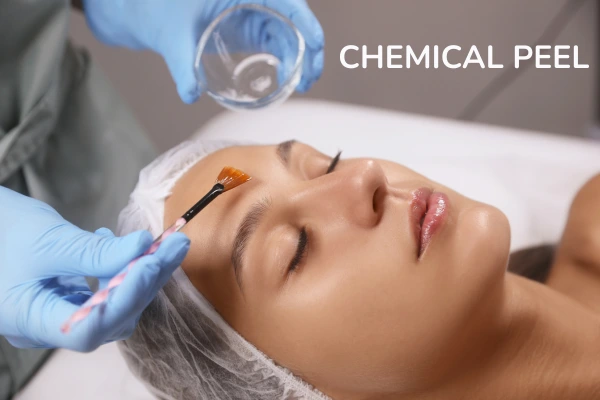
Permanent improvement depends on scar type. Deep acne scars usually need dermatologist treatments like lasers, microneedling, or chemical peel, while mild marks may improve with skincare.
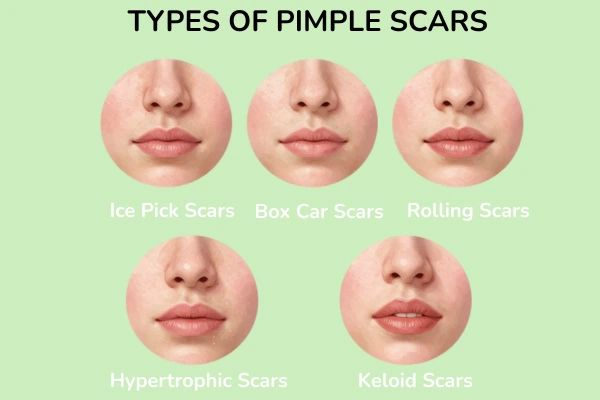
What are the common types of acne scars?
Ice pick scars, boxcar scars, rolling scars, hypertrophic scars, and post-inflammatory hyperpigmentation.
Can new acne cause new scars after treatment?
Yes. If active acne is not controlled, new pimples can form new scars. Acne control is essential during treatment.
At what age can acne scars treatment be done?
Acne scars treatment can be started once active acne is under control, usually after the teenage years, under dermatologist guidance.
Are acne scars treatments safe for sensitive skin?
Yes, treatment plans are customised. Dermatologists choose gentler options and adjust settings for sensitive skin.
Can acne scars be treated while acne is still active?
Active acne should be controlled first. Treating scars while acne is ongoing may lead to new scars and poor results.
Are acne scars more common on cheeks?
Yes. Cheeks are more prone to acne scars due to thicker skin and frequent inflammatory breakouts in that area.
We hope this information is helpful. If you have any skin and hair-related questions or would like to discuss personalized solutions, please reach out to us at 7337899030. Our team of specialists is committed to delivering personalized care tailored to your specific needs. Take the first step towards a healthier, more confident you by scheduling a consultation with us today. Your journey to vibrant skin and stronger hair begins here.
Post Views:1,010
Book an Appointment
Start your journey to healthy skin and hair today.
Microneedling vs. Chemical Peels : Best Treatments for Acne Scars
September 20, 2026
[…] Acne scars do not just affect the surface of your skin. They can also affect your confidence, especially when uneven texture or dark marks remain long after acne has cleared. If you are searching for the best treatments for acne scars, you have undoubtedly come across two clinical treatments: face microneedling and chemical peels. But how do you know which one will deliver real, visible transformation for your specific skin type? […]








Leave a Comment
1 comment
Microneedling vs. Chemical Peels : Best Treatments for Acne Scars
September 20, 2026[…] Acne scars do not just affect the surface of your skin. They can also affect your confidence, especially when uneven texture or dark marks remain long after acne has cleared. If you are searching for the best treatments for acne scars, you have undoubtedly come across two clinical treatments: face microneedling and chemical peels. But how do you know which one will deliver real, visible transformation for your specific skin type? […]