Every winter, most of the people think, “I changed nothing, but suddenly my skin feels tighter, duller, or itchier, or do I break out more?” What they don’t realize is that it’s not just the cold weather; it’s the winter skincare myths they unknowingly follow that slowly damage their skin barrier.
During winter, the skin behaves very differently. Low humidity, cold winds, indoor heating, and frequent hot showers disrupt the skin’s natural protective layer. As a result, winter skin problems like dryness, sensitivity, acne flare-ups, pigmentation, and premature aging become common, even in people who never had issues before.
Unfortunately, most advice available online oversimplifies skincare in winter. Statements like “oily skin doesn’t need moisturizer” or “sunscreen is unnecessary in winter” sound harmless, but medically, they are incorrect. Over time, these beliefs worsen dry skin in winter, trigger inflammation, and delay skin repair. This blog is written to change that.
As dermatologists, our goal is to separate winter skincare myths from real medical facts. In this guide, we explain what truly works, what silently harms your skin, and how to build a winter skin care routine that supports hydration, barrier repair, and long-term skin health. You will also learn when basic skincare is not enough and when professional dermatologist winter skincare treatments can make a visible difference.
If you’ve ever felt confused about how to take care of skin in winter, this blog will give you clarity, confidence, and a science-backed approach your skin actually needs.
Before addressing winter skincare myths, it’s important to understand what actually happens to your skin during winter. Cold air outside, dry indoor heating, reduced humidity, and hot showers all disrupt the skin barrier. This leads to increased epidermal water loss, meaning your skin loses moisture faster than it can retain it. As a result, winter skin problems such as dryness, flaking, redness, itching, sensitivity, and dullness become common.
Even oily and acne-prone skin is affected during winter. When skin becomes dehydrated, it may overproduce oil to compensate, leading to clogged pores and breakouts. This is why skincare in winter must focus on hydration, barrier repair, and protection, not harsh stripping.
Winter Skincare Myth 1: You Don’t Need Moisturizer If You Drink Enough Water
One of the most widespread winter skincare myths is that internal hydration alone can prevent dry skin in winter. While drinking water is important for overall health, it does not replace topical moisturization.
Dermatologist Fact: Water intake supports your body internally, but your skin still needs external moisturizers to seal hydration and protect the barrier. Without a proper winter skin care routine, moisture evaporates quickly in cold weather.
For winter skincare for dry skin, dermatologists recommend moisturizers containing ceramides, glycerin, hyaluronic acid, or urea. These ingredients restore the skin barrier and prevent moisture loss.
Winter Skincare Myth 2: Oily Skin Doesn’t Need Moisturizer in Winter
Many people with oily or acne-prone skin avoid moisturizers, believing they will worsen breakouts. This myth causes more harm during winter.
Dermatologist Fact: Even oily skin needs hydration during winter. Skipping moisturizer leads to dehydration, which triggers excess oil production. This imbalance can worsen acne and sensitivity.
The best skincare routine in winter for oily skin includes lightweight, non-comedogenic moisturizers that hydrate without clogging pores. Proper skincare in winter actually improves oil control.
Winter Skincare Myth 3: Sunscreen Is Not Required During Winter
This is one of the most damaging winter skincare myths we encounter.
Dermatologist Fact: UV rays are present throughout the year, even on cloudy and cold days. UVA rays penetrate deeply and contribute to aging, pigmentation, and collagen breakdown. Skipping sunscreen during winter accelerates skin damage.
A proper winter skin care routine must include a broad-spectrum sunscreen daily. This is especially important for patients undergoing winter skin treatments like chemical peels, laser treatments, or medical facials.
Winter Skincare Myth 4: Hot Showers Help with Dry Skin
Hot showers may feel comforting in winter, but they worsen winter skin problems.
Dermatologist Fact: Hot water strips natural oils from the skin, damaging the lipid barrier. This leads to increased dryness, itching, and irritation.
For skincare in winter, dermatologists recommend lukewarm showers, limited bathing time, and immediate moisturization after bathing to lock in hydration.
Winter Skincare Myth 5: Exfoliation Should Be Completely Avoided in Winter
Many people stop exfoliating entirely due to fear of dryness.
Dermatologist Fact: Exfoliation is still important in winter, but it must be gentle and controlled. Dead skin buildup prevents moisturizers from absorbing properly and makes skin look dull.
The key is moderation. Mild chemical exfoliants or dermatologist-guided exfoliation help maintain glow without worsening dry skin in winter. This is an essential winter skincare tip for healthy-looking skin.
Winter Skincare Myth 6: Home Remedies Are Enough for Winter Skin Problems
Home remedies like coconut oil, raw milk, or honey are often promoted as complete solutions.
Dermatologist Fact: While some home remedies may offer temporary relief, they do not treat underlying skin barrier damage or chronic conditions. In some cases, they can clog pores or trigger allergic reactions.
Persistent winter skin problems require evidence-based skincare and, when needed, professional dermatologist winter skincare treatments.
How Dermatologists Actually Recommend Caring for Skin in Winter?
Instead of following myths, dermatologists focus on skin physiology and seasonal needs.
Principles of a Healthy Winter Skin Care Routine
Gentle cleansing without stripping
Layered hydration
Barrier repair
Daily sun protection
Skin-type-specific care
This approach ensures long-term skin health rather than short-term relief.
Best Skincare Routine in Winter Based on Skin Type
Winter Skincare Routine for Dry Skin: Winter skincare for dry skin should focus on intense hydration and barrier repair. Cream-based cleansers, rich moisturizers, and occlusive ingredients are essential. Avoid alcohol-based products and over-cleansing.
Winter Skincare Routine for Oily and Acne-Prone Skin: Lightweight hydration is key. Gel-based moisturizers, gentle exfoliation, and consistent sunscreen use prevent breakouts while maintaining hydration.
Winter Skincare Routine for Sensitive Skin: Minimalism works best. Fragrance-free, barrier-repair formulations reduce irritation and redness during winter.
When Skincare Products Are Not Enough: Dermatologist-Recommended Winter Skin Treatments
Sometimes, even the best winter skin care routine is not enough, especially when skin damage has already occurred.
Dermatologist Winter Skincare Treatments That Actually Work
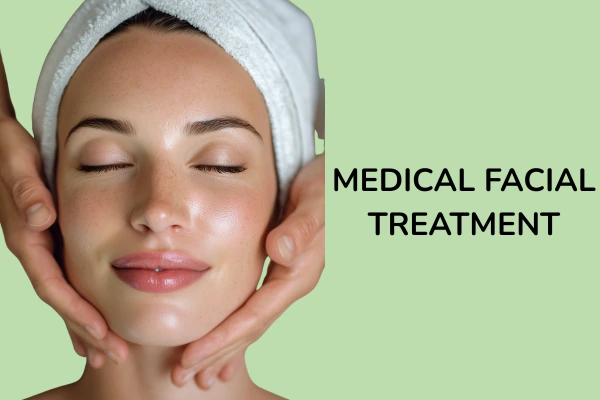
Medical facials for hydration and barrier repair
These are not regular salon facials. They are focused on restoring the skin barrier, which is commonly compromised during winter. These facials use medical-grade cleansers, hydrating serums, and calming actives to deeply nourish the skin while reducing inflammation and sensitivity. They are especially beneficial for patients experiencing dry skin in winter, redness, tightness, or early signs of irritation.
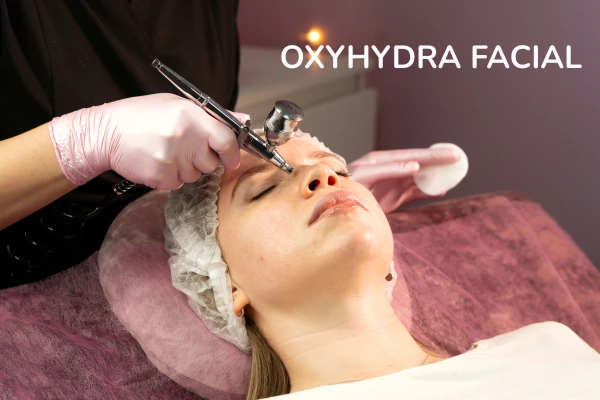
It is one of the most recommended winter skincare treatments because it combines cleansing, exfoliation, extraction, hydration, and oxygen infusion in a single session. For patients struggling with dullness, dryness, or uneven tone during skincare in winter, Oxy-hydraFacial provides immediate glow while supporting long-term skin health.
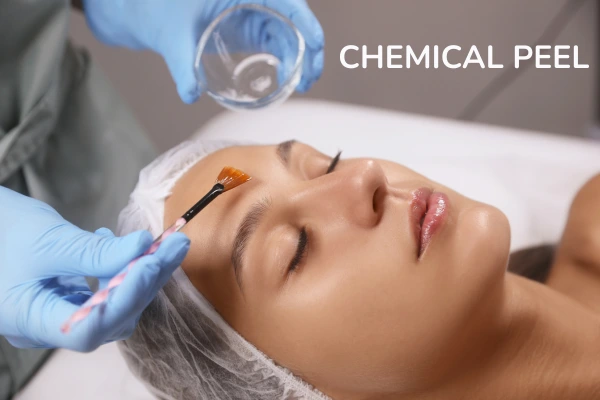
Chemical peels tailored for winter use
Chemical peels are often misunderstood and avoided during winter due to fear of dryness. However, when selected and performed by a dermatologist, winter-specific chemical peels are extremely effective.
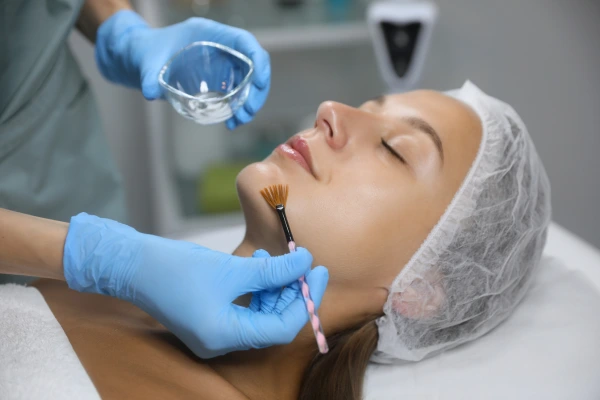
Mild to moderate peels help remove dead skin cells that accumulate faster in cold weather, improve product absorption, and stimulate skin renewal. They are customized based on skin type, concern, and tolerance, making them safe even for dry or sensitive skin.
Laser treatments for pigmentation and texture
Winter is considered the safest and most effective season for laser treatments. Lasers are commonly used to treat pigmentation, uneven skin tone, acne marks, and textural irregularities that become more visible during winter. Reduced UV exposure minimizes complications and allows the skin to heal faster. Dermatologists carefully select laser parameters based on skin type and concern, ensuring controlled treatment with optimal results.
Skin rejuvenation therapies guided by dermatologists
Advanced skin rejuvenation therapies focus on improving collagen production, hydration, and skin elasticity. These treatments address early aging, dullness, fine lines, and chronic dryness that often worsen in winter.
Winter is often the best season for these treatments due to reduced sun exposure and faster healing.
Why Winter Is the Best Season for Dermatological Treatments
Winter offers a controlled environment for skin healing. Reduced sun exposure lowers the risk of pigmentation, while cooler temperatures minimize inflammation and redness. Additionally, the skin is less exposed to sweat and environmental pollutants, allowing treatments to work more effectively.
This is why dermatologists often recommend initiating corrective and rejuvenating procedures during winter; it allows the skin to recover, repair, and regenerate optimally before summer.
Why Professional Guidance Matters in Winter Skincare
Self-experimentation based on myths often leads to worsening skin conditions. Dermatologist-guided skincare in winter ensures treatments and products are customized to your skin type, concerns, and lifestyle.
At Evenly Skin and Hair Clinic, winter skin treatments are planned after detailed skin analysis, ensuring safety, effectiveness, and long-term results.
Winter doesn’t have to leave your skin looking dull, dry, or irritated. Most winter skin problems arise from misinformation, not the weather itself. By understanding winter skincare myths and trusting dermatologist-backed winter skincare facts, you can protect your skin effectively.
A well-planned winter skincare routine, combined with the right winter skincare tips and timely dermatologist winter skincare treatments, can keep your skin healthy, hydrated, and glowing all season.
If your skin continues to struggle despite following the best skincare routine in winter, it may be time to consult a dermatologist. Your skin deserves expert care, especially in winter.
Evenly Skin and Hair Clinic – HSR Layout
Third Floor, 815, 27th Main Rd, above Bluestone, 1st Sector, HSR Layout, Bengaluru, Karnataka 560102
Evenly Skin and Hair Clinic – Jayanagar
35, Ground Floor, Vinyas Arcade, 11th Main Rd, Vishya Bank Colony, 5th Block, Jayanagar, Bengaluru, Karnataka 560041
How many times a day should I moisturise my skin in winter?
Most people need to moisturize at least twice daily during winter. If you have dry skin in winter or live in a low-humidity environment, additional application may be required. Applying moisturizer immediately after washing helps seal moisture and supports skin barrier repair.
Can I use the same skincare products throughout the year?
Not always. Skin needs change with seasons. Products that feel comfortable in summer may not provide enough hydration in winter. Dermatologists often recommend adjusting cleansers, moisturizers, and active ingredients to suit skincare in winter and prevent irritation.
Do lips and under-eye skin need special care in winter?
Yes. Lips and the under-eye area lack oil glands and are more prone to dryness and cracking in winter. Frequent application of nourishing lip balms and gentle eye creams helps prevent irritation and discomfort.
Does winter worsen pigmentation?
Yes. Dryness and barrier damage can make pigmentation appear darker, especially if sunscreen is skipped during winter.
Is face oil enough for winter skincare?
No. Oils seal moisture but do not hydrate the skin. They should be used after moisturizer, not as a replacement.
Why does my skin feel itchy during winter?
Itching is usually caused by dryness and barrier disruption. Gentle cleansing and regular moisturization reduce this discomfort.
We hope this information is helpful. If you have any skin and hair-related questions or would like to discuss personalized solutions, please reach out to us at 7337899030. Our team of specialists is committed to delivering personalized care tailored to your specific needs. Take the first step towards a healthier, more confident you by scheduling a consultation with us today. Your journey to vibrant skin and stronger hair begins here.
Post Views:689
Book an Appointment
Start your journey to healthy skin and hair today.











Leave a Comment